Dye Plants Seed Collection
Original price was: $23.95.$10.99Current price is: $10.99.
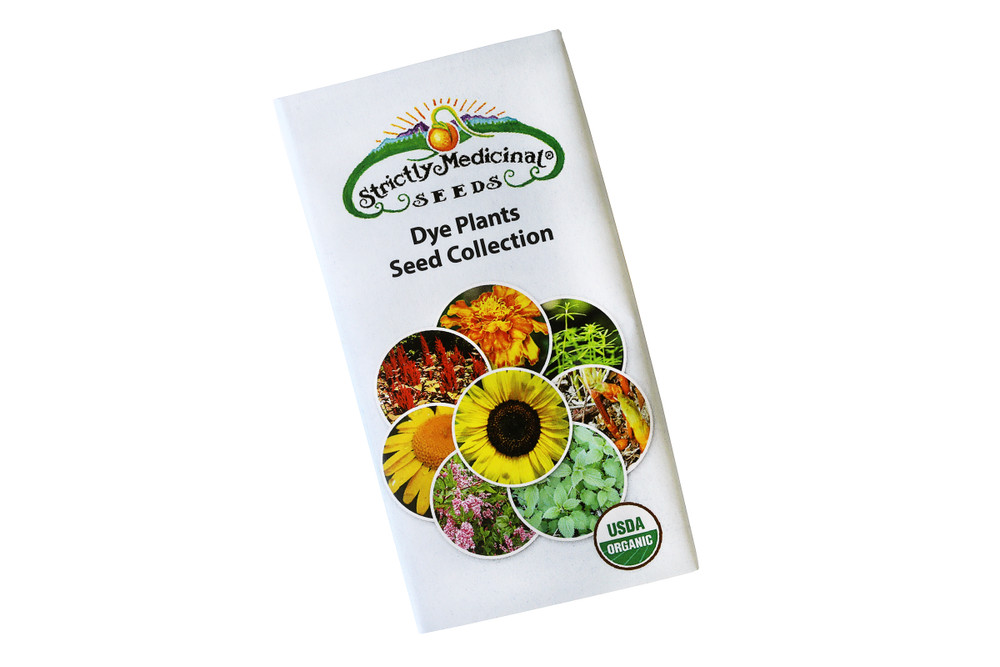
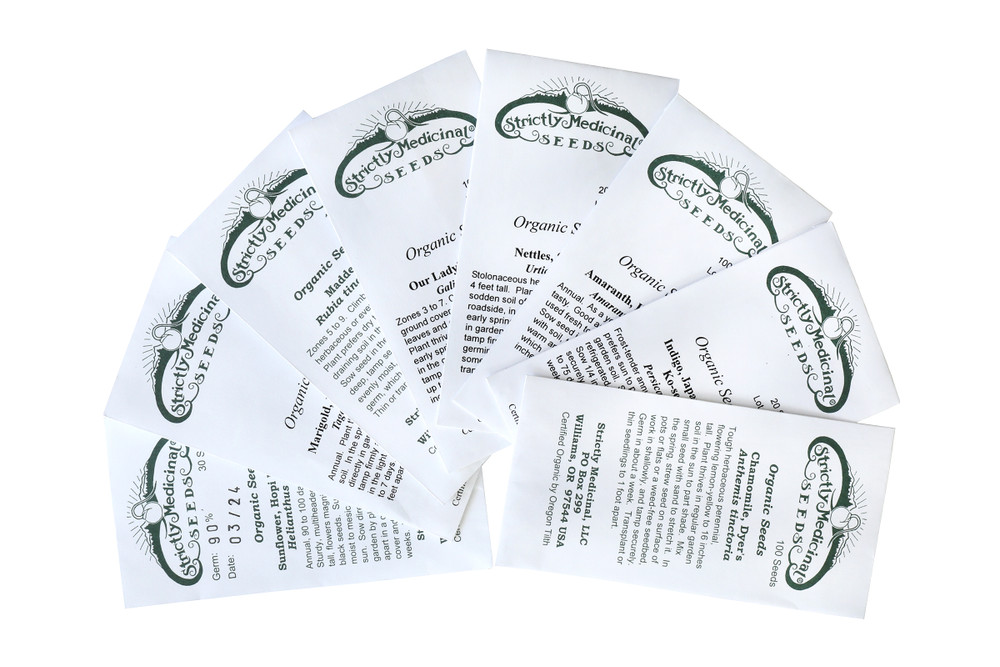
Grow your own dye plants in your backyard! Featuring plants useful in the art of crafting natural dyes for fiber arts, this seed collection contains eight botanicals to grow and create a palate of colors spanning the rainbow.
Hopi Red Dye Amaranth: Amaranthus cruentus grows well in warm to hot conditions to a height of 4-7 feet. It is tolerant of drought conditions and produces highly colored edible flower bracts which are used in natural dying and food coloring.
Dyers Chamomile: Anthemis tinctoria produces large, lemon-yellow daisies that are used to dye wool. It grows well in sunny spots to a height of about 2 feet.
Pink-Flowered Japanese Indigo: Persicaria tinctoria grows to approximately 3 feet in full sun. The leaves are a source of indicin-pure, or indigo dye.
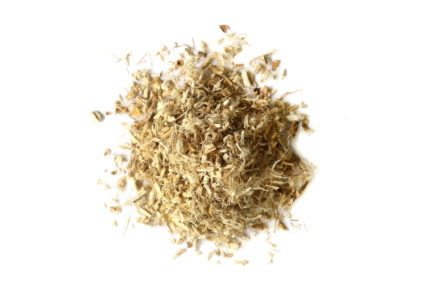
Madder: Rubia tinctorum is a hardy, vine-like plant whose roots contain alizarin, which is responsible for its fine red dye. When growing for the purpose of making dye its important to let the plant mature at least two years before harvesting the root.
French Marigold: Tagetes patula is a small, bushy plant with oversized orange, red, and yellow flowers that are used in natural dying.
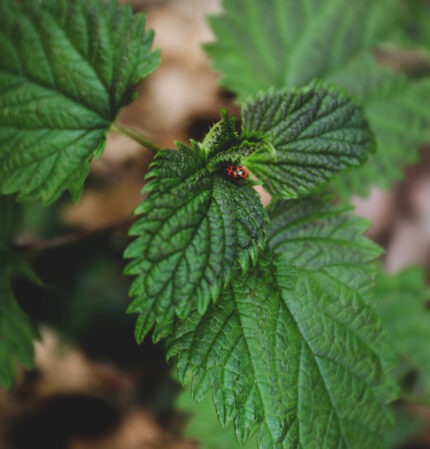
Nettles: Urtica dioica is an herbaceous perennial whose leaves offer a wide array of earthy colored dyes depending on when they are harvested. Brighter colors result from earlier, springtime harvests, and brown/beige colors result from harvests later in the year.
Our Lady’s Bedstraw: Galium verum, is a member of the madder (Rubiaceae) family. It is a plant that grows well in full sun, and in poor soil. Native to the British Isles it’s flowers can be used to make yellow dyes, and the root of this plant offers a vibrant red dye.
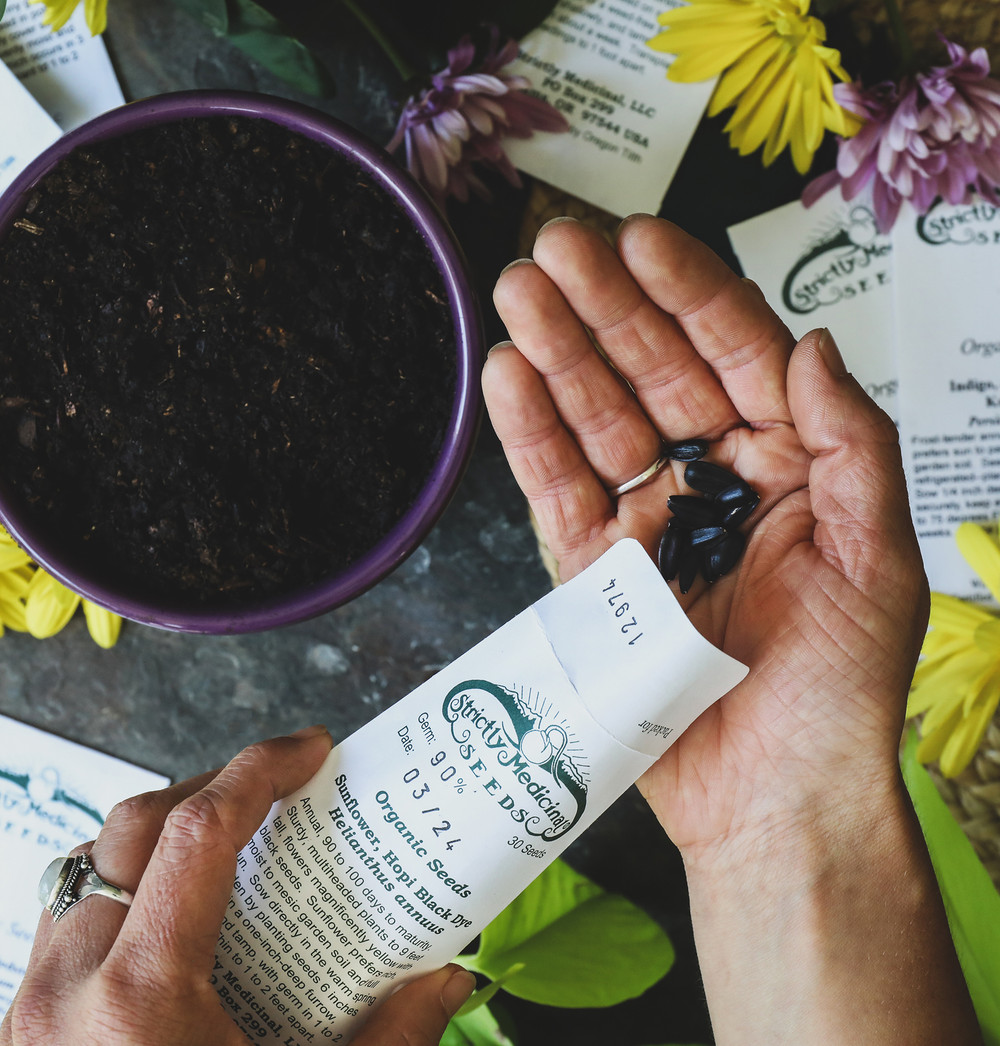
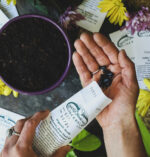
Hopi Black Dye Sunflower: Helianthus annuus is a sturdy stemmed plant that produces dark black seeds used in dying to impart a color-fast light purple.

Free Shipping & Returns
Enjoy 30-day hassle-free returns.
Order before 2:00PM for same-day dispatch!