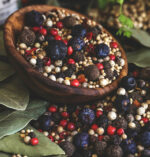
Coriander Seed Organic
Original price was: $23.00.$10.99Current price is: $10.99.
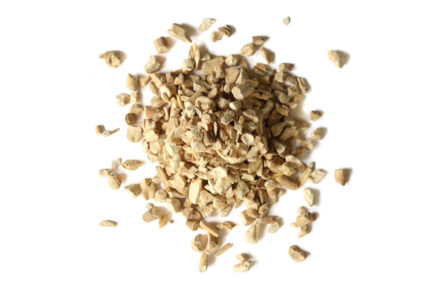
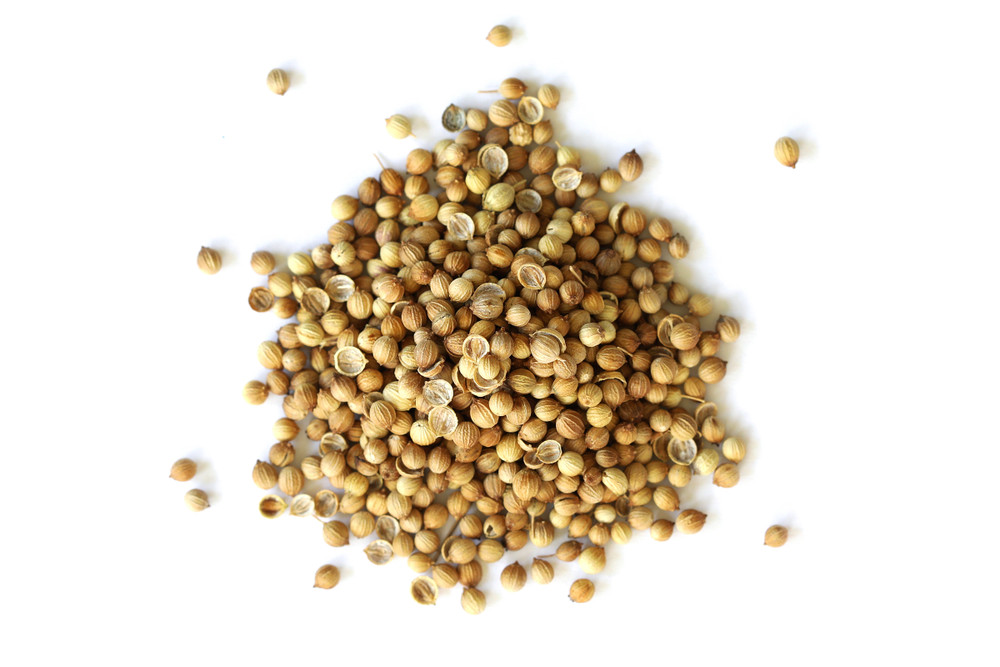
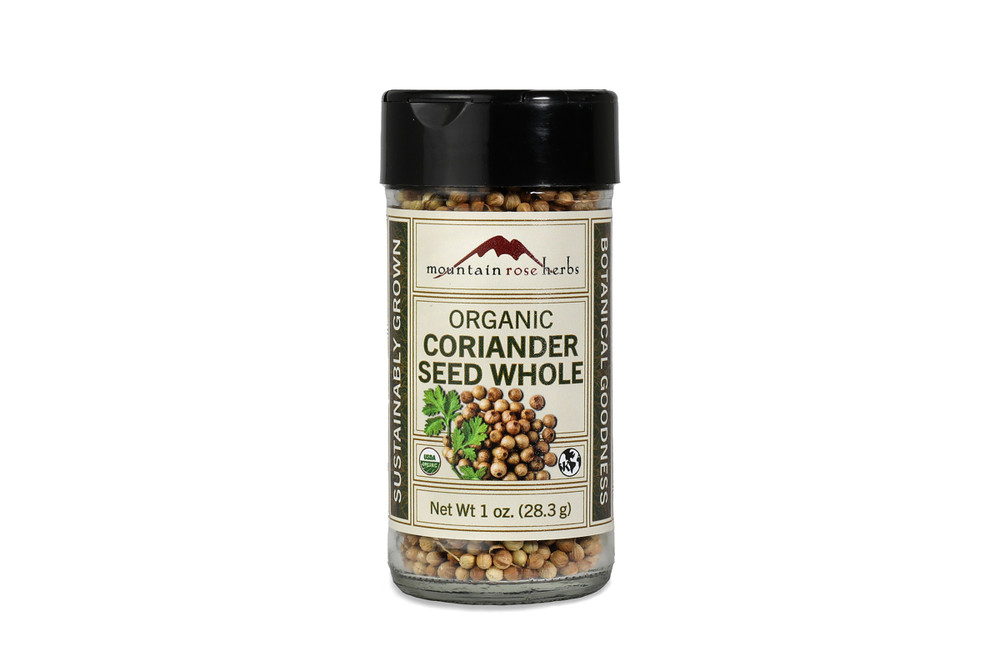
Coriandrum sativum is an herbaceous annual in the Apiaceae family native to parts of Europe, Africa, and Asia. In the United States, the herb’s leaves are commonly referred to as cilantro and the dried seeds as coriander. Coriander seed is a common spice used in many cultures throughout the world. The seeds are warming and have a slightly nutty and citrus flavor that are intensified when roasted. Coriander seeds can be ground fresh before use or kept whole and added to marinades, sauces, and rubs.
Coriander is a spice that has been used in the Mediterranean and Asia for thousands of years and is now widely cultivated and available in the West. Traditionally, it was used to support healthy digestion and was often added to beans or other hard to digest dishes due to its carminative qualities. Further, it is well known as a flavoring for liquor, beers, and various soups, sauces, and meats.
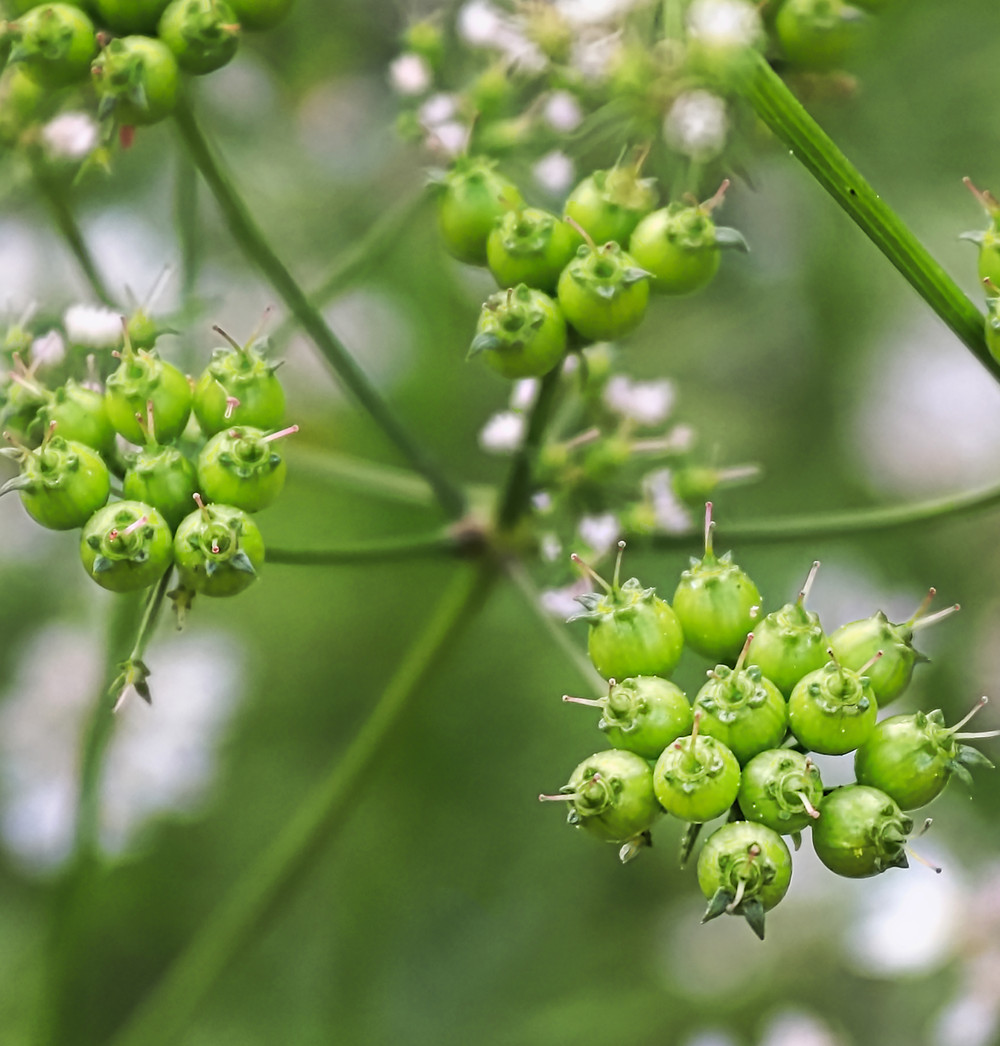
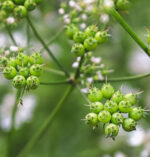
Coriander is a hardy annual native to the Mediterranean and Asia with compound lower leaves that are somewhat round and lobed, yet have finely divided, lacy upper leaves. These leaves, called ‘cilantro,’ are abundant in most supermarkets. The small white umbelliferous flowers typify the Apiaceae or Carrot family. All parts of the plant are used, yet the most common are the leaves (cilantro) and fruits, or seeds, which are referred to as ‘coriander’.
First mentioned in Sanskrit texts in India seven thousand years ago, coriander is truly an ancient spice. The seed was found in Egyptian tombs and also discovered in Bronze Age ruins (ca 3200–600 BCE) on the Aegean Islands. The ancient Greek and Roman physicians Hippocrates, Paracelsus, Dioscorides, and the naturalist Pliny the Elder were all quite familiar with this spice. In fact Pliny suggested that the best coriander of his time was from Egypt. The ancients employed coriander as a meat preservative amongst many other things. In China it was utilized for its carminative and culinary purposes for thousands of years as well. Often the root was cooked as a vegetable.
Used as a culinary spice in India, coriander is a main ingredient in Indian curry powder alongside spices such as turmeric, fenugreek, cumin, and chili. In some of the northern parts of Europe and in Russia, coriander is used to flavor alcoholic liquors, in particular, gin. Belgian-style white beer is often brewed with coriander and orange peel which gives it the characteristic spicy citrus flavor. Further, the sweet citrusy and musty aroma of the ripe seeds have been used to flavor sausages, pickles, candies, sauces and soups, and have also been distilled into essential oil. In particular, it is used in elixirs containing harsh purgatives or laxatives such as senna to mask the flavor and to moderate its propensity to cause intense cramping. Much of the traditional uses for coriander center around its carminative and stomachic activities as it has been employed to support digestion and to stimulate appetite in a variety of cultures and countries for thousands of years. A variety of sources suggest coriander’s properties as a relaxant as well, and in Maud Grieve’s words in her book the Modern Herbal “If used too freely the seeds become narcotic.”
In Ayurvedic medicine (traditional healing system of India) coriander is often combined with caraway and cardamom seeds for use as a digestive tonic. It is energetically cooling and has a sweet, bitter and pungent taste. Similarly, in Traditional Chinese Medicine (TCM), coriander is considered pungent in taste. It is used as a digestive tonic as well and as a flavoring to improve the taste of herbal preparations just as it has been in herbal medicine practices in the West.
Precautions
No known precautions. We recommend that you consult with a qualified healthcare practitioner before using herbal products, particularly if you are pregnant, nursing, or on any medications.
This information has not been evaluated by the Food and Drug Administration. This product is not intended to diagnose, treat, cure, or prevent any disease. For educational purposes only.

Free Shipping & Returns
Enjoy 30-day hassle-free returns.
Order before 2:00PM for same-day dispatch!